
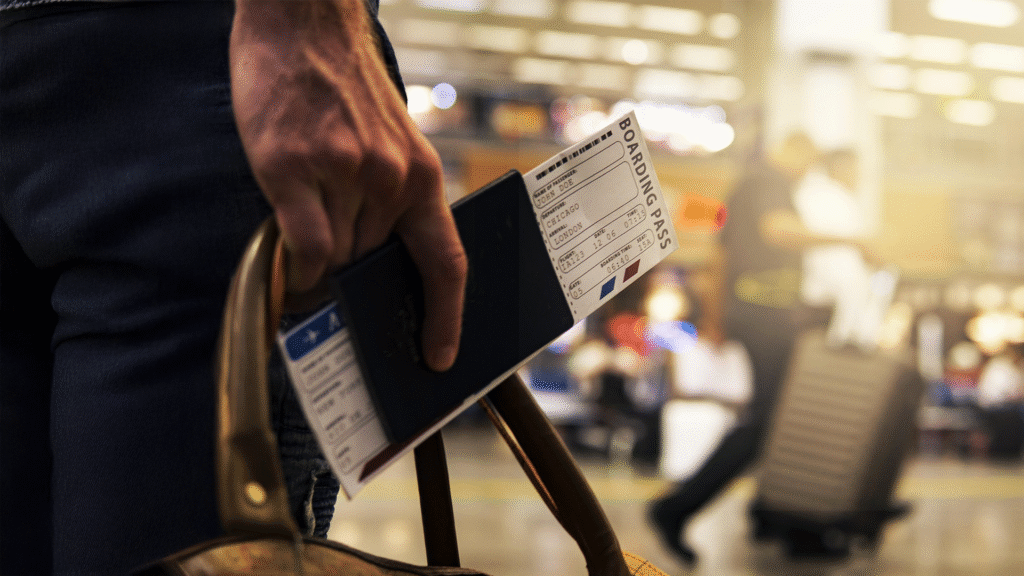
Since remote work and flexible schedules remain the norm, more entrepreneurs and business owners are setting out on the road, and in the skies, to work. In order to meet with clients, attend industry conferences, or prospect for new markets, business travel is on the rise. But while business travel is a chance with enormous upside, it also creates a maze of tax complications.
The silver lining: You can legally claim most of these expenses if you know the rules. Being an expert in tax deductions for business travel is more crucial than ever, not only to save you money but to stay out of hot water with the IRS. And with updated expense limits and audit tactics, keeping your records and your plan in top form is more critical than ever.
What Business Travel Expenses Can You Deduct?
Understanding what qualifies as a deductible travel expense is key to maximizing your tax savings. According to IRS guidelines, these categories are generally eligible:
Transportation
- Airfare, train, bus, or car travel between your home and business destination
- Taxi fares and other local transportation between airports, train stations, and hotels
- Transportation from hotels to work locations
- Shipping costs for baggage, samples, or display materials between regular and temporary work locations
- Use of a personal car for business purposes
Accommodation & Meals
- Lodging expenses during your trip
- Meals while traveling for business purposes
Personal Services & Communication
- Dry cleaning and laundry during your trip
- Business calls and communication expenses
- Tips paid for services related to transportation, lodging, or meals
Other Ordinary and Necessary Expenses
- Any other similar ordinary and necessary expenses incurred during business travel
So, what are tax-deductible business travel costs? How can you be sure your trip was for a legitimate business purpose? And can you still deduct your cost even if your spouse or family members join you?
The Golden Rule: Business Purpose Comes First
Before you do math on a meal or mile, you must ask yourself one very important question: Was the primary reason for your trip business-related?
As per IRS Publication 463, for travel expenses to be deductible, the trip must be “ordinary and necessary” and connected directly with your trade or business. This includes all methods of travel, car, airplane, train, or ship.
So, how do you prove business purpose for travel expenses? Start with full documentation:
- A clear agenda revealing business meetings, occasions, or client visits
- Business meeting confirmations through email or calendar invitations
- Payment vouchers and receipts
Time spent is also an issue. If on most of your travel days you spent time on business (not pleasure), the IRS will be more likely to accept your argument. This is the primary purpose test, and a breakdown of it is one of the most common tax deductions for business travel audit red flags that IRS agents are taught to look for.
When you have a valid business reason, then you can begin to dig into what’s really deductible, starting with how you travel.
Car Tax Deductions for Business Travel
Driving to your destination offers flexibility, and the best part is that it also yields valuable tax deductions for business travel.
There are two ways to deduct automobile expenses:
- Standard Mileage Rate: For 2025, this will be roughly 67 cents per mile (subject to IRS update).
- Actual Expense Method: Gas, oil, insurance, repairs, and depreciation.
Both procedures must have proper records. You will also require a mileage log that documents:
- Date of visit
- Destination
- Business purpose
- Beginning and ending mileage
You can also recover accommodation, subsistence (up to the maximum of 50%), and other expenses incurred along the way, provided you’re traveling fairly directly to your business destination.
Interested in knowing what travel expenses are tax deductible? Aside from car expenses, here is what is covered:
- Parking fees and tolls
- Hotel stays are required for the trip
- Business meals and gratuities
But if you make a detour or a detour trip, to visit relatives or a park, those extra miles are personal and need to be excluded from your business travel expense deductions.
And so we come to flying, which also has regulations and repercussions of its own.
Air Travel: Coach, First Class, or Charter? They All Can Be Deductible
Whether you travel first class or economy, flying is generally tax-deductible, if you’re going for business.
According to the IRS Business Travel Deductions Overview, travel to and from your destination of business is completely deductible. You can even take a charter plane or fly your own plane, though the rules on those are more complicated.
But what if you mix business and pleasure? So, you just so happen to have a side trip to see family or attend a personal event on your business trip. You can only deduct how much it would have cost you to go directly to your business destination. The extra leg is a personal expense.
Inviting your spouse? That’s where it gets tricky. We’ll discuss more of that later, but the short answer is: unless your spouse is an employee or business partner of yours who’s traveling for a valid business purpose, you can’t deduct their expenses.
Before we get there, consider a less common but entirely possible mode of transportation: the train.
Tax Deductions for Business Travel by Train
Train travel won’t be the most frequent, but it can be one of the simplest to tax. No matter if you pay for coach, business, or a sleeping car, your ticket is deductible if the travel is for business.
The IRS does not place any special limitations on travel by train, just make sure that the travel is in a relatively direct route and has a well-defined business intent.
Actually, since train travel normally entails overnight stays, it would automatically qualify as deductible accommodations and meals. Just make sure to retain every receipt and explain how the trip helped your business.
This type of travel also makes you eligible for special business tax deductions when business professionals attend local conferences or trade shows. When organizing your business travel expense deductions, think about whether or not train travel can be integrated into your schedule.
And now, suppose your journey is by sea?
Traveling by Cruise Ship
Business cruise? The IRS does allow for business cruise travel deductions, but under strict restrictions, outlined in IRS Publication 463 and discussed in further detail by the Bradford Tax Institute.
The following is what you need to know regarding the cruise ship travel tax deduction limits 2024 from Bradford:
- The ship must be U.S.-registered.
- The journey must be for a legitimate business reason.
- You must submit a written statement that includes the agenda, participants, and purpose.
- The IRS caps deductions at a daily amount, for example, $734 per day in November.
Though cruises are not usually recommended for training or seminars (as most are foreign-registered), they may be employed to travel to business destinations, provided you stay within the letter of the law. What if your wife or husband would like to accompany you on the cruise? That leads us to one of the most misunderstood aspects of business travel deductions.
Bringing Your Spouse or Family
Can I deduct business travel if I bring my spouse? It is something every business owner wonders, and the decision is based on one factor: whether your spouse actually works in the business.
If your partner:
- Is a verifiable employee of your company
- Has a valid business purpose for traveling
- Participates in meetings or events
Then they can reimburse their travel expenses the same way as you.
Otherwise, their portion of air travel, food, and hotel costs are personal and non-deductible. As for lodging, you can only deduct the single rate if the shared room is used. Meals for family members? Not deductible, either.
Having relatives present does not necessarily disqualify your deduction, but calls for closer scrutiny. This is one of the biggest travel deduction audit red flags IRS agents are trained to look for, especially in the case of a lack of documentation.
As always, meticulous record-keeping is your best defense.
Common Mistakes That Trigger IRS Attention
With all those sound deductions available, why are so many business people in hot water? These are the most frequent errors:
- Not documenting the business purpose of the trip
- Merging business travel with no clear delineation
- Subtracting non-employee family members’ expenses
- Bypassing the cruise ship travel prohibition
- Failure to keep payment slips or receipts
Any one of these could lead to disallowed deductions, or worse, an audit. That’s why it is so crucial to know how to prove business purpose for travel expenses, and knowing what travel expenses are tax-deductible is so essential.
Use expense tracking tools, document everything, and don’t hesitate to consult a professional.
Conclusion
As business owners anticipate their year, learning about rules for tax deductions for business travel isn’t a bad idea, it’s a must. If you fly, take the train, drive, or sail, the IRS lets you deduct expenses if you’re diligent and plan it out.
From documenting your business purpose for traveling to recording each cost incurred along the way, these deductions can be a true money-saver if used correctly. If you’re not sure how these rules will affect your next trip, don’t hazard a guess. Contact Neil Jesani Advisors and speak with an expert to get the most deductions and limit your exposure.